Grounding Techniques for Anxiety and Sleep
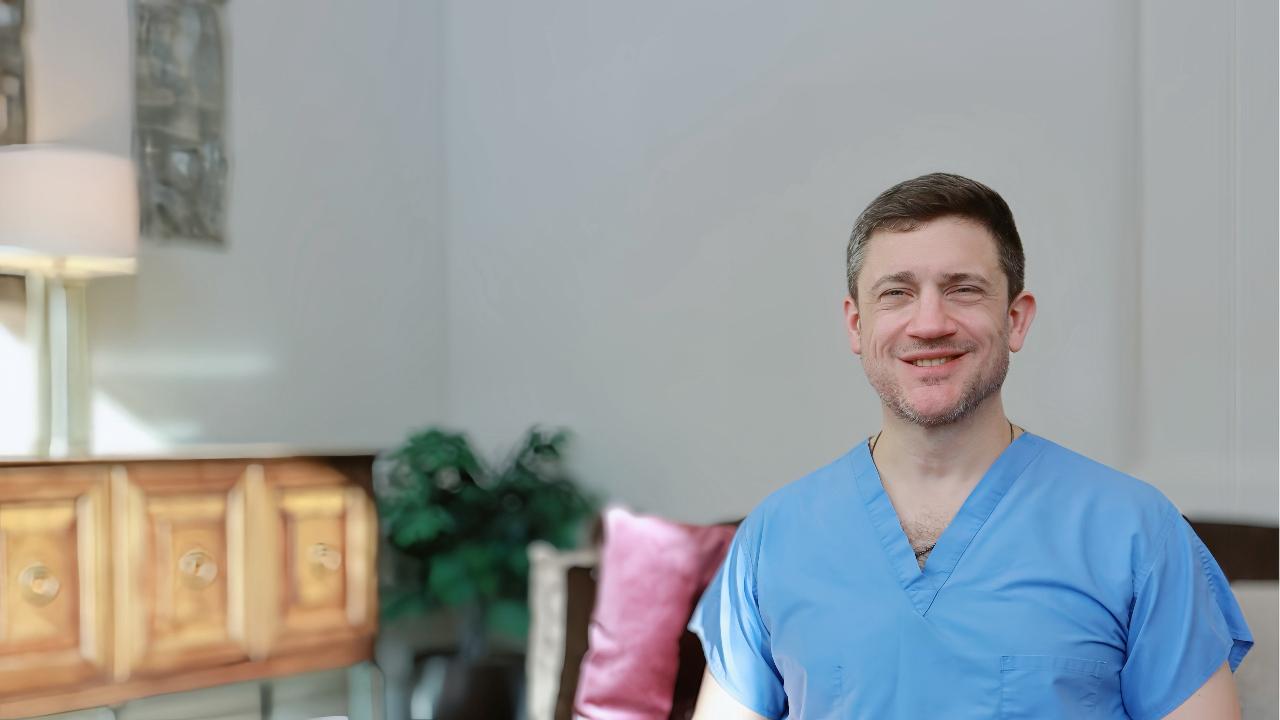
Dr. Brian Harris, MD
Sleep • Addiction • Anesthesiology
Grounding Techniques for Anxiety and Sleep
Dr. Brian Harris, MD
Sleep • Addiction • Anesthesiology
Grounding Techniques for Anxiety and Sleep
Dr. Brian Harris, MD
Sleep • Addiction • Anesthesiology

Grounding helps when your brain is spinning and sleep is not happening. The goal is simple: move attention from worry to present-moment sensory input so arousal can settle.
5-4-3-2-1 reset
Use your senses in order. Name:
- 5 things you can see
- 4 things you can feel
- 3 things you can hear
- 2 things you can smell
- 1 thing you can taste
Move slowly. The point is detail, not speed.
Body grounding sequence
If thoughts are loud, switch to body cues:
- Take 5 slow breaths: in through nose, out through mouth.
- Place both feet on the floor and wiggle your toes.
- Press your feet down and notice leg tension.
- Clench fists for 5 seconds, then release. Repeat 5 to 10 times.
- Press palms together for 10 to 15 seconds, then release.
- Stretch arms overhead for 5 seconds, then relax.
- Take 5 more slow breaths and scan for any muscle softening.
Mental grounding options
Use one task that is mildly effortful but not activating:
- Name objects in the room by category (color, shape, function).
- Describe steps of a familiar routine in detail.
- Count backward from 100 by 7.
- Hold an object and describe color, texture, and weight.
- Spell your full name backward.
Bottom line
- Grounding is a redirection skill, not a "stop thinking" command.
- Pick one method and practice it before bedtime, not only during bad nights.
- If anxiety or insomnia is persistent, ask your clinician about structured treatment such as CBT-I or anxiety-focused therapy.
Grounding is general education and not a substitute for individualized care.
Educational content only; this is not personalized medical advice. If you have urgent symptoms, seek emergency care.
Ready for a Clinical Deep Dive?
Dr. Harris offers personalized consultations for complex sleep and neuro-recovery cases.
Ready for a Clinical Deep Dive?
Dr. Harris offers personalized consultations for complex sleep and neuro-recovery cases.
Ready for a Clinical Deep Dive?
Dr. Harris offers personalized consultations for complex sleep and neuro-recovery cases.